Experienced Founder
- Gene Zaid previously built Jacam
- Company assets acquired for approximately $240M
- Founder invested his own capital into NextGen
- Has been investigating these compounds for nearly two decades
Campaign Closing Oct 15 - Limited Time Left to Invest

NextGen Scientific is a clinical-stage cancer company1,2 with patented science3,4, completed human trials, and an operating consumer health business7.
Read the Private Placement Memorandum
Accredited investors can invest today. Everyone can reserve a place for the potential Regulation A+ round, opening to all investors at a $1,020 minimum. Reserving takes no payment and creates no obligation.

The investment case
As featured in










Origin
Arum palaestinum grows wild in the hills around Jerusalem, where families have brewed its dried root into a tea for close to two thousand years, a use of arum first recorded by Dioscorides in the first century AD.33 Early medical writers recorded its use against many illnesses, cancer among them, and the practice survives today.
Gene Zaid, a PhD medicinal chemist who grew up in the region, rediscovered the plant on a trip home around 2005 and asked what was actually in it. Back in Kansas, his team isolated the active molecules, studied how they work together, and shaped them into clinic-ready compounds.
NextGen has since secured intellectual property, cleared human safety testing, moved into further trials, and built a revenue-generating consumer business. The company is now nearing the milestones that set its next phase of value.

Clinical progress
Solomon's Lily research begins
Two U.S. patents granted
IND approval for human studies
First-in-human trial completed
Clinical data published in Annals of Oncology
Active trial in prostate cancer
Phase 2 dermatology study enrolling Q4 2026. Advancing toward next clinical milestones
Structure
NextGen Scientific, LLC
Delaware Issuer
Ionics Life Sciences Limited
Ireland Holding Company (~9.3% Equity)
Genzada Pharmaceuticals
100% Owned
Oncology / Biotech
Hyatt Life Sciences Inc.
100% Owned
Nutraceuticals / Supplements
Ankh Life Sciences Limited
88.99% Owned
Patent Holder
Highlights
A Potential New Class of Cancer Drug: The Super-Enhancer Modulator
NextGen's lead candidate, GZ17-6.02, is being developed as a super-enhancer modulator:26 instead of blocking a single target, it regulates the genetic programs that drive cancer. Therapies that act on gene regulation are among oncology's fastest-growing categories, with the global epigenetics market projected to reach about $72 billion by 2034, up from roughly $20 billion in 2025.25
The science
The lead drug, GZ17-6.02, is an oral capsule for cancer treatment. What sets it apart is how it works.
Most cancer therapies block one target in one cancer type. That works until the tumor mutates. Then the drug stops working.
GZ17-6.02 is built to work at a higher level. Cancer cells lean on stretches of DNA called super-enhancers: regulatory hubs that switch on the genes a tumor needs to grow and survive. One super-enhancer can drive many of those genes at once, which is part of why cancer is so difficult to shut down one target at a time.26 NextGen classifies GZ17-6.02 as a super-enhancer modulator, a compound designed to disrupt those hubs rather than chase one gene downstream.
Zaid puts it in plainer terms: most cancer drugs unscrew one light bulb at a time, while this one aims for the breaker box, the switch that controls many lights at once.
That could matter in two ways. One compound can act against cancers that look and act nothing alike, which is what the company has seen across lung, breast, and prostate models, among others. And a tumor has a harder time escaping, because it cannot route around the drug by mutating a single target. If that holds up in larger trials, it points to a mechanism that travels across many cancer types rather than one.
Beyond NextGen's own research, academic teams at Virginia Commonwealth University, the institution also running the prostate-cancer trial, have studied GZ17-6.02 and published their results in peer-reviewed journals, including Oncotarget and the International Journal of Molecular Sciences. In laboratory models of kidney cancer, breast cancer, and uveal melanoma (a cancer of the eye), the compound killed cancer cells and often boosted the effect of existing drugs.91011
One compound
GZ17-6.02
Models the company reports
Laboratory studies published in peer-reviewed journals
Super-enhancer modulation is an emerging area of cancer research, and GZ17-6.02 is investigational. Its classification reflects how the company is developing the drug, not an approved category.
Dermatology
The same plant chemistry produced a second drug. Also in Phase 1b trials.2 GZ21T is a topical cream in development for actinic keratosis, a precancerous skin condition caused by sun damage, as well as eczema, psoriasis and other skin conditions. If actinic keratosis lesions are left untreated, it can progress to squamous cell skin cancer, so clearing them is a form of prevention.29
It is a widespread problem. More than 40 million Americans develop actinic keratosis each year,30 and the U.S. market for treating it is projected to reach about $2.9 billion by 2030.28
Today's options work but are hard on patients. Dermatologists freeze or scrape the lesions off, or prescribe creams that leave the skin red and sore for weeks, which leads many people to quit treatment early.36 GZ21T is being developed to clear the same lesions with a gentler effect.
The company's COO, Cameron West, is a practicing dermatologist and dermatopathologist and a published co-author on topical-compound research, so a physician who treats this condition helps guide the program.
GZ21T is investigational and not approved by the FDA. Like any drug in development, it may not succeed in trials.
The clinical evidence
Most drug candidates never make it to a single patient. Somewhere between 80 and 90 percent of research programs fail before human testing even begins. Of the few that reach the clinic, about 95 percent still fail.6 And the ones that survive take more than a decade to reach approval.
GZ17-6.02 has already cleared the stages that end most programs. It earned FDA clearance to test in humans, completed Phase 1, and produced data a peer-reviewed journal chose to publish. Each of those milestones removes a category of risk that sinks earlier-stage candidates.
GZ17-6.02 successfully completed a Phase 1 clinical trial in patients with advanced cancers who had exhausted standard treatments. The study, published in Annals of Oncology in 2021, demonstrated a favorable safety profile with no Grade 4 or 5 treatment-related adverse events. While Phase 1 trials are designed to evaluate safety rather than efficacy, one patient experienced measurable tumor shrinkage and several others achieved stable disease—results that supported advancing the drug into further clinical development.
A follow-on trial in castration-resistant prostate cancer is open at Virginia Commonwealth University's Massey Comprehensive Cancer Center. Its primary endpoint is radiographic progression-free survival at six months or longer.2
A related compound, the cream GZ21T, is in development for actinic keratosis, a precancerous skin condition.8 (company-reported)
A note on how to read this: Phase 1 findings measure safety and early signals, not proven efficacy. Later trials can, and often do, change the picture. The page presents the data as published and labels company-reported figures as such.
Consumer health
The same plant supports a second business. Sold under the Afaya brand through the company's store and Walmart.com, the supplement line targets immune support, glucose regulation, inflammation, and vitality. It brings in about $1.7 million a year with minimal marketing.78
The category is large. Global dietary supplements are projected to reach about $393.56 billion by 2033, growing roughly 8 percent a year.15 Inflammation and metabolic health reach far more people than cancer: in the United States, 40.1 million people have diabetes and another 115.2 million adults have prediabetes, both tied to chronic inflammation.16 Users of the Afaya Plus formula reported changes in their Type 2 diabetes management, which prompted a glucose-focused product.8
Two granted U.S. patents cover the turmeric, Peganum harmala, and Arum palaestinum blend, held by affiliate Ankh Life Sciences.34 It holds the only FDA New Dietary Ingredient clearances for both plants, and it grows its own supply in six Kansas greenhouses.812 Patents, clearance, and controlled cultivation give the line a footing generic products cannot match.
03
Controlled cultivation
Its own supply grown in six Kansas greenhouses, from raw plant to finished product.12
Meet the founder
Gene Zaid spent his career solving hard chemistry problems for industry before turning to a harder one: cancer. He founded Jacam, a specialty chemical company, and built it into a business whose assets sold to Canadian Energy Services for roughly $240 million in 2013.
He could have retired. Instead he chased a question that had followed him for years. Could modern science unlock a plant his region had used in traditional medicine for generations? That plant was Solomon's Lily (Arum palaestinum). Gene's team isolated its active compounds, mapped how they work, and started building a new class of plant-derived cancer therapies.
Now he's pouring the same discipline into NextGen Scientific. He has invested his own capital to advance the oncology pipeline, build the intellectual property, fund clinical development, and stand up a commercial health business around the same discoveries. The goal is direct: turn an old botanical remedy into a validated platform that treats real needs in cancer and human health.

The team
A medicinal chemist who built a chemistry company, Jacam, and sold its assets to Canadian Energy Services for approximately $240 million in 2013.5 He directed the proceeds into cancer research.
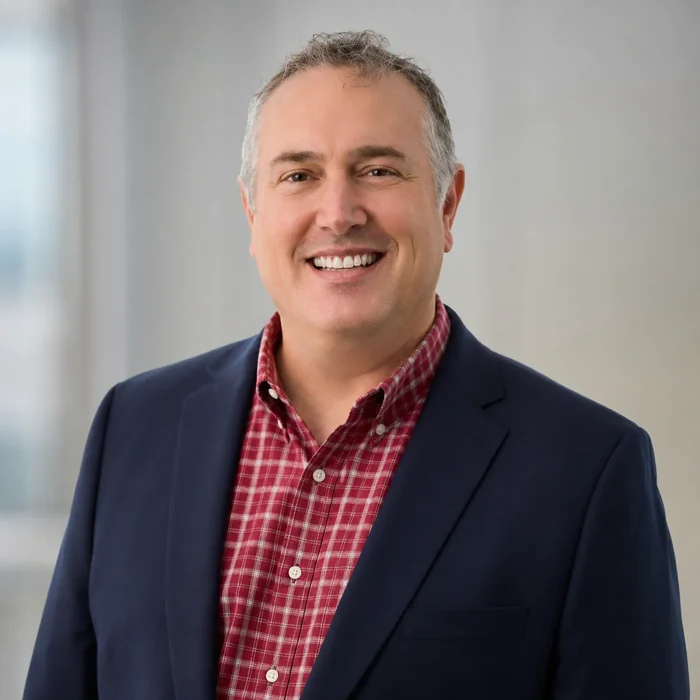
President and general counsel at Jacam through its growth years and its sale.

Prior roles at Neuraptive, Arno Therapeutics, Neurocrine Biosciences, and Cima Labs.
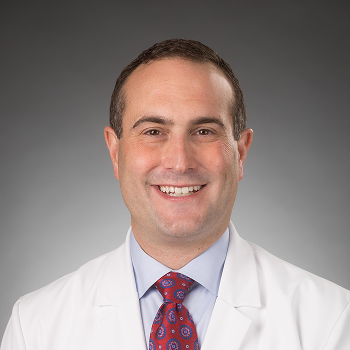
A practicing dermatologist and dermatopathologist, and a published co-author on the topical-compound research.

World-renowned oncologist, cancer researcher, and clinical trial pioneer advancing innovative cancer therapies.32
Working with


Escrow company Enterprise Bank & Trust, Texture Capital, Digital Niche Agency, Medical Funding Pros, L3 Payment rails, Kore investment platform, Grant Thornton, Blank Rome, Baseline Creative.
Value creation
A highly respected independent firm that specializes in valuing early-stage biotechnology companies carried out a detailed review of Ionics Life Sciences Limited, the operating parent that NextGen invests in, and set out its findings in a formal valuation report.34 After examining the company's drug pipeline and its established supplement business, the firm arrived at a pre-money valuation of approximately $312 million.8
In biotechnology, value is typically created as scientific and regulatory risk is reduced. Each successful development milestone—from preclinical validation to human clinical data—can increase the value of a drug candidate because there is greater evidence it can ultimately reach patients. NextGen has already advanced its lead programs through several of the stages where many drug candidates fail.2 The next major value inflection is clinical data from its prostate cancer study, followed by potential expansion into additional indications, partnership discussions, and further clinical development.
Preclinical validation
Laboratory work supporting the compound.
Human clinical data
Trials in people generate evidence.
Risk reduced
Greater evidence it can reach patients.
Value can increase
Value typically rises as risk falls.
Strategic options
Licensing, partnership, acquisition, or continued growth.
NextGen Scientific
Each milestone runs the sequence again
This is also how many successful biotechnology companies have generated shareholder value. Pharmaceutical companies frequently acquire or license promising drug candidates after encouraging clinical results rather than waiting for full commercialization. Examples include:
Acquired by Pfizer for approximately $43 billion in 2023, reflecting the value of its oncology portfolio.22
Acquired by Pfizer for approximately $2.3 billion after advancing its cancer programs.23
Acquired by Gilead Sciences for approximately $21 billion following promising oncology data.24
These examples illustrate how value has been realized across the biotechnology industry. They are not intended to predict or imply that NextGen Scientific will achieve similar outcomes.
NextGen does not hold these assets directly. It holds a stake in Ionics, and Ionics is where the value sits. Any of these outcomes would flow first to Ionics, then to NextGen through its stake, and finally to you as a NextGen unit holder. From there, investors could potentially realize value through one of three paths:
The acquisition model
Large pharmaceutical companies do not invent most of their drugs in-house.31 Emerging biotech firms do: they originated about 67 percent of the industry's new drugs in 2022.17 The bigger players let smaller ones carry the early, higher-risk science, then move in through an outright purchase or a licensing deal once a compound has cleared enough trials.31
That is the model NextGen is built to fit. This is one of several possible outcomes, not a guarantee, and many promising programs never reach it. Each trial a compound clears makes it more valuable.
Capital at work
Nearly all of the roughly $9.9 million in net proceeds will flow into Ionics, the operating parent, and will be used to help fund the two drug programs, with about 49% going to the GZ21T topical compound, 42% to the oral cancer capsule GZ17-6.02, and the small remainder to manufacturing and supplement marketing.
Why invest now
NextGen has already cleared the early, high-attrition stages of drug development, from first-in-human clearance through a published Phase 1.1 and its next clinical readout in prostate cancer is now in sight. In biotech, a program tends to gain value as each trial strips out a layer of risk. Today's stage lets you invest before the prostate cancer readout rather than after it. It also carries the substantial risk that comes with young clinical programs, including the possibility of losing your entire investment.
The structure is unusual for the sector. One botanical platform supports two businesses at once: Genzada, a clinical-stage cancer pipeline, and Hyatt Life Sciences, a supplement business that already earns revenue. Pairing drug development of Genzada Pharmaceuticals with a revenue-generating business like Hyatt Life Sciences that sells today softens the single-outcome profile most biotech investments carry.
How to invest
A Regulation D 506(c) round is open now to verified accredited investors, at a minimum of about $25,000. Review the offering materials and complete your investment without waiting for qualification.
Learn MoreReg A+ is expected to open to all investors, accredited or not, at a minimum of $1,020. Reserving now takes no payment and creates no obligation. When the SEC qualifies the offering, you receive the full offering circular and the ability to complete your investment.
FAQ
Accredited investors only. This offering relies on Rule 506(c) of Regulation D, which means your accredited status has to be verified before you can subscribe. You qualify if you earn over $200,000 a year ($300,000 with a spouse), hold a net worth above $1M excluding your home, or hold certain securities licenses.
A separate Regulation A+ round is planned for all investors, accredited or not, at a lower minimum. That round is not yet qualified by the SEC, so no money can be accepted for it yet. Non-accredited investors can reserve a place now at no cost and with no obligation, and we will notify you when it opens and confirm its final terms.
The PPM sets the minimum at 6,150 units, or $25,092, and the Company may accept less at its discretion.
Units in NextGen Scientific, LLC. NextGen invests those proceeds into Ionics Life Sciences Limited, the parent company that owns both operating businesses: Genzada, the drug program, and Hyatt Life Sciences, the Afaya supplement brand. Your units give you an indirect stake in the whole platform, drugs and consumer health together. The Private Placement Memorandum is the controlling document and describes the structure in full. Read it, including the risk factors, before you invest.
Start with "Invest Now," verify your accredited status, review the offering documents, and complete your subscription through Texture Capital. Prefer to talk first? Book a call and the team will walk you through it.
Not easily. These units are restricted and illiquid, with no public market. You should expect to hold for an indefinite period and treat this as a long-term, high-risk position.
October 15, 2026, unless the maximum is reached first or the Company extends it. The raise is conducted on a best-efforts basis with no minimum, so the Company keeps what it raises.
High. This is a speculative investment in early-stage science, and you could lose your entire contribution. Clinical programs can fail, timelines can slip, and the units may never become liquid. Review the risk factors in the PPM and speak with your own advisors.
GZ17-6.02 completed a Phase 1 trial in patients with advanced solid tumors and lymphoma who had failed prior treatments. Results, published in Annals of Oncology in 2021, showed biological activity across eight tumor types with no Grade 4 or 5 adverse events, and a reported 23.5% clinical benefit rate. The compound has since moved into an investigator-initiated Phase 1B trial at Virginia Commonwealth University in advanced prostate cancer. GZ17-6.02 is investigational, is not FDA-approved, and early results do not guarantee later outcomes.
Once you complete your investment, the funds go to an escrow account held by an independent agent until NextGen accepts the subscription. After acceptance and the required regulatory steps, the money moves to NextGen, which invests it into Ionics Life Sciences Limited, and your units are issued.
ACH, wire transfer, debit card, credit card, or check, all through the secure online platform. Investments are accepted from accredited investors only.
Yes. NextGen Scientific accepts investments from self-directed IRAs (SDIRAs) and certain self-directed 401(k) plans. The investment is made by your retirement account, not by you personally, with shares held by your custodian on your behalf.
Investing through a retirement account offers several practical advantages:
To invest through a retirement account, you will need a self-directed IRA custodian (such as Equity Trust, Alto, or STRATA Trust Company). Texture Capital, our broker-dealer, works with custodians familiar with this process and can help guide you through the steps. Speak with your tax advisor about whether this approach fits your retirement plan and overall financial circumstances.
No. GZ17-6.02 is an investigational compound and has not been approved by the FDA.
Yes. A Phase 1 study was completed and published.
Potential paths include partnerships, licensing, acquisition, or continued development.
The Reg A+ offering is intended for all investors after SEC qualification. Accredited investors may participate in the current Reg D offering.
This communication may be deemed to be a solicitation of interest under Regulation A under the Securities Act of 1933, in which case the following apply: No money or other consideration is being solicited, and if sent in response, will not be accepted; No offer to buy the securities can be accepted and no part of the purchase price can be received until the offering statement is qualified, and any such offer may be withdrawn or revoked, without obligation or commitment of any kind, at any time before notice of its acceptance given after the qualification date; A person's indication of interest involves no obligation or commitment of any kind; and an offering statement, which would include a preliminary offering circular, has not yet been filed with the United States Securities and Exchange Commission.
This communication is not an offer to sell or a solicitation of an offer to buy securities. Any offer is made solely through the official offering documents, including the Private Placement Memorandum (PPM). This offering under Regulation D Rule 506(c) is conducted through Texture Capital, Inc. ("Texture"), a FINRA member broker-dealer and SIPC member, acting as Broker of Record and Placement Agent. Texture is not affiliated with the Issuer and should not be relied upon to have validated or approved information provided by the Issuer.
Private securities offerings are not registered with the SEC and are highly speculative. These securities are neither approved nor disapproved by the SEC or any state agency, and no regulator has endorsed the accuracy or adequacy of this opportunity. An investment in private securities involves a high degree of risk and may result in the loss of your entire contribution. Investors must be able to bear the economic risk for an indefinite period and withstand a total loss. Consult your own legal, tax, and financial advisors before investing.
This offering under Regulation D is being conducted through Texture Capital Inc. ("Texture"), a FINRA member broker-dealer. You can review the background of our broker-dealer and our investment professionals on FINRA's BrokerCheck here. Texture Capital Inc. is a member of SIPC and explanatory brochures are available upon request by contacting SIPC at (202) 371-8300. Texture is the Broker of Record and Placement Agent for this offering and is not an affiliate of nor connected with the Issuer. Texture conducts Anti-Money Laundering, Identity, and Bad Actor Disqualification reviews of the Issuer and ensures they are a registered business in good standing. Texture should NOT be relied upon to have validated or approved the information provided by the Issuer or the Issuer itself. Texture may direct applicants to specific sections of the Form 1-A to locate information or answers to their inquiry but does not opine or provide guidance on Issuer-related matters. Please review Texture's Customer Relationship Summary and their Compensation Disclosure. Please review our Risk Disclosure.
Private securities offerings are not registered with the SEC and are considered highly speculative. These securities are neither approved nor disapproved by the SEC or any other federal or state agency, nor has any regulatory agency endorsed the accuracy or adequacy of these investment opportunities or any offer or solicitation made to buy or sell the securities. An investment in private securities is speculative, involves a high degree of risk and may result in the loss of your entire capital contribution. Investors must be prepared to bear the economic risk of their investment for an indefinite period of time and be able to withstand a total loss of their investment. Potential investors are strongly advised to consult their legal, tax and financial advisors before investing.
Texture Capital: The Business Continuity Plan | Privacy Policy | FINRA BrokerCheck
Past performance may not be indicative of future results. Different types of investments involve varying degrees of risk, and there can be no assurance that the future performance of any specific investment, investment strategy, or product made reference to directly or indirectly in this offering will be profitable, equal to any corresponding indicated historical performance level(s), or be suitable for your portfolio. Due to various factors, including changing market conditions, the content may no longer be reflective of current opinions or positions. To the extent that a reader has any questions regarding the applicability of any specific issue discussed above to their individual situation, they are encouraged to consult with the professional advisor of their choosing.
Investing in a private, early-stage company is speculative and involves a high degree of risk, including the total loss of your investment. The securities are illiquid; there is no public trading market and none is expected. Clinical results to date do not predict future trial outcomes, and most drug candidates fail. Forward-looking statements are not guarantees. Review the offering circular in full before investing. This page is not an offer to sell or a solicitation to buy securities.